
How Bethel Island Grew From Reclaimed Marshland Into One of East County's Most Distinct Delta Communities
The island's story runs from tule wetlands and steamboat routes to levee-building, farming, and the slower Delta rhythm residents still recognize today.
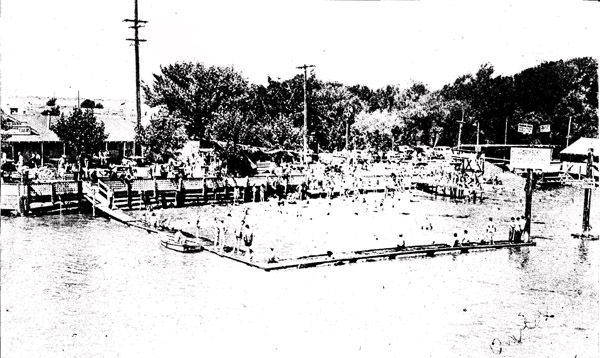
Bethel Island still feels a little different from the rest of East County, and that is part of the appeal. The slower roads, marinas, levees, and wide-open Delta edges give it a pace that makes more sense once you know the backstory. This is not just another neighborhood that happened to appear near the water. It grew out of marshland, reclamation work, and generations of people determined to shape a life in a place that was never especially easy.
East Contra Costa Historical Society's Bethel Island history page, The area began as a marsh cut by tide-influenced waterways and thick stands of tules and willows. Long before modern roads and waterfront homes, local Indigenous communities used the rich landscape for food, travel, and daily life, drawing on the Delta's fish, game, and tule reeds in ways that fit the place rather than trying to overpower it.
By the Gold Rush era, the Delta had become part of a larger transportation and supply story, with paddlewheel steamers moving through the region and riverbank wood fueling long trips between Bay Area and inland destinations. What eventually became Bethel Island was then known as Stone Tract, and by 1860 the land was being reclaimed under the Swamp and Overflow Act. Levees, dikes, and dredging gradually turned that wet ground into something people could farm, cross, and build on.
The history page notes that Stone Tract did not fully become an island in the way locals know it today until Dutch Slough was dredged in the late 1890s. In its early years the tract was known for cattle feed, grain, and dairies, with barge transportation helping move agricultural products to market. That working-land identity matters because it helps explain why Bethel Island has always felt tied to both water and labor, not just recreation.
Major William K. Bethell eventually purchased a large portion of the tract, and the community's name shifted to Bethel Island by the end of the nineteenth century. Early residents were isolated enough that mail and supplies arrived by boat, which is a detail that still says a lot about the place. Even now, Bethel Island can feel a little set apart from the faster suburban rhythms elsewhere in East County, and that distance is part of its personality rather than a flaw.
For readers who know Bethel Island mainly as a Delta getaway, a boating base, or a place to chase a quieter afternoon, the history adds another layer. It reminds you that the landscape people enjoy today was hard-won and deeply shaped by water, agriculture, and persistence. That mix is a big part of why Bethel Island still feels so distinct within East County.
To explore the full local history, start with the East Contra Costa Historical page here. |
More from East County Local Vibes
Aug 10, 2026
How Byron Grew From Rancho Land and Shipping Stops Into the Rural East County Crossroads Locals Know Today
A look at the long arc of Byron history, from Yokut life and Spanish-era land grants to wheat shipping, ranch country, and the open landscapes that still shape the area now.

Aug 10, 2026
Chrome Coffee Grew From a Pandemic Cart Into Two East County Cafes
Moriah Mesina turned a 2020 pop-up idea into growing coffee spaces in Brentwood and Oakley, building community along the way.
Aug 10, 2026
Whiskey Tango Foxtrot: Where Breakfast Meets Bar-and-Grill in Oakley
The East County restaurant serves hearty breakfasts, burgers, steaks, seafood, and drinks, with locations on Bridgehead Road in Oakley and Hillcrest Avenue in Antioch.

Aug 6, 2026
Oakley Kids Fishing Derby Brings a Classic Summer Morning to the Antioch-Oakley Pier on August 8
Free registration, catch-and-release fishing, morning check-in, snacks, and awards are all part of this family-friendly Oakley outing for kids up to age 15.
0 Comments
Join the conversation
Be the first to comment
Share your thoughts above.