

The Land Grant That Built Brentwood: How One Pioneer's Vision Shaped East County
Before the subdivisions and shopping centers, there was Rancho Los Meganos — 48,810 acres that started it all.
Drive through Brentwood today and you'll see master-planned communities, bustling shopping centers, and streets named after the orchards they replaced.
But before any of that existed, there was just land. Vast, fertile land granted to a single man in 1837.
The Doctor from Massachusetts
John Marsh wasn't supposed to end up here. Born in Massachusetts in 1799, trained as a physician at Harvard, he seemed destined for an East Coast life.
Instead, he headed west. By the 1830s, he was in California — then a Mexican territory — working as a doctor, teacher, and eventually rancher. His reputation and connections led to something extraordinary: a Mexican land grant covering nearly 49,000 acres.
In 1837, Marsh received Rancho Los Meganos. The name honored the Meganos Indians, the original inhabitants of this land. The grant stretched across what is now much of eastern Contra Costa County.
From Wilderness to Working Ranch
Marsh didn't just sit on his land. He developed it. Built an adobe house — the first American-style residence in the region. Introduced cattle ranching on a scale California hadn't seen before.
The ranch became a destination. Travelers heading to the gold fields stopped here. Marsh's hospitality was legendary, as was his medical care for those who needed it.
He was among the first to prove that California agriculture could be profitable on a large scale. Wheat, cattle, horses — the ranch produced it all.
The Legacy in Today's Brentwood
John Marsh never lived to see Brentwood become a city. He was murdered in 1856 during a dispute over land boundaries. But his impact endured.
The land he once owned was eventually divided and sold. Farms replaced the ranch. Orchards of cherries, peaches, and apricots covered the landscape. The fertile soil Marsh recognized proved perfect for fruit cultivation.
By the late 1800s, the area had a name: Brentwood, reportedly after a town in England. The community grew around agriculture. The railroad arrived. Packing houses processed the harvests.
For nearly a century, Brentwood was farmland. The suburban transformation didn't begin until the 1990s, when developers recognized the same thing Marsh did — this was valuable land.
What Remains Today
You can still see traces of the rancho era if you know where to look.
The John Marsh House, built in 1856, still stands — though it's been restored and preserved. It's one of the oldest structures in Contra Costa County and a California Historical Landmark.
Street names reference the past. Ranch boundaries influenced property lines that still exist. And the agricultural tradition continues in the orchards and farms that persist on the outskirts of town.
Most importantly, the land itself remains remarkably productive. Modern farmers still grow crops on soil that attracted John Marsh nearly two centuries ago.
Why This History Matters
It's easy to forget, driving past strip malls and housing developments, that this land has a story. That someone stood here in 1837 and saw potential in empty fields.
John Marsh's Rancho Los Meganos represents the beginning of American California. The transition from Mexican territory to statehood. The shift from indigenous land to ranchos to farms to suburbs.
Brentwood's explosive growth in recent decades is just the latest chapter. The land that supported cattle in the 1840s, orchards in the 1940s, and now houses thousands of families — it's the same land.
Understanding that connection changes how you see the place. Those master-planned communities? Built on soil that produced wheat for the Gold Rush. Those shopping centers? Sitting where cattle once grazed.
A Walk Through Time
If you're interested in experiencing this history firsthand, the Marsh Creek State Historic Park preserves part of the original rancho. The restored Marsh House offers tours. Exhibits explain the rancho system and early California life.
Standing in that adobe house, looking out at the same landscape John Marsh saw, you understand something important: places are layers. History doesn't disappear — it just gets built over.
Brentwood's present is busy, growing, modern. But its foundation is 48,810 acres granted to a doctor from Massachusetts who saw opportunity in California's fertile soil.
That's worth remembering.
Related Reading
Want to explore more of what makes East County special? Visit the Brentwood Farmers Market — where local farmers still work the same fertile soil that drew pioneers here nearly 200 years ago.
Looking for outdoor adventure? Discover Big Break Regional Shoreline — a Delta park where the San Joaquin River meets the bay.
Did you know about Brentwood's rancho history? Have you visited the John Marsh House? Share your thoughts in the comments. |
More from East County Local Vibes
Aug 10, 2026
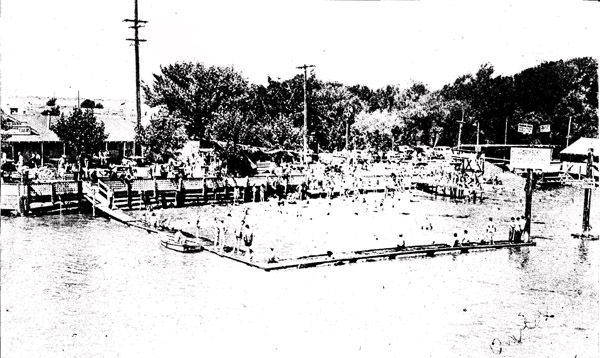
How Bethel Island Grew From Reclaimed Marshland Into One of East County's Most Distinct Delta Communities
The island's story runs from tule wetlands and steamboat routes to levee-building, farming, and the slower Delta rhythm residents still recognize today.
Aug 10, 2026
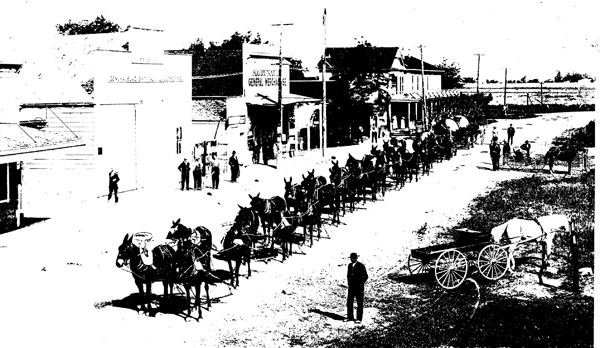
How Byron Grew From Rancho Land and Shipping Stops Into the Rural East County Crossroads Locals Know Today
A look at the long arc of Byron history, from Yokut life and Spanish-era land grants to wheat shipping, ranch country, and the open landscapes that still shape the area now.

Aug 10, 2026
Chrome Coffee Grew From a Pandemic Cart Into Two East County Cafes
Moriah Mesina turned a 2020 pop-up idea into growing coffee spaces in Brentwood and Oakley, building community along the way.

Aug 10, 2026
Whiskey Tango Foxtrot: Where Breakfast Meets Bar-and-Grill in Oakley
The East County restaurant serves hearty breakfasts, burgers, steaks, seafood, and drinks, with locations on Bridgehead Road in Oakley and Hillcrest Avenue in Antioch.
0 Comments
Join the conversation
Be the first to comment
Share your thoughts above.